ATLAS / IDEAS Game design atlas Find a mechanism, understand its tradeoffs and smallest useful scope, then build your game with a design card and sample project.
192 Mechanisms32 Mechanism domain48 Art styles12 Genre guides
All252 Mechanisms192 Art styles48 Genre guides12 Art styles
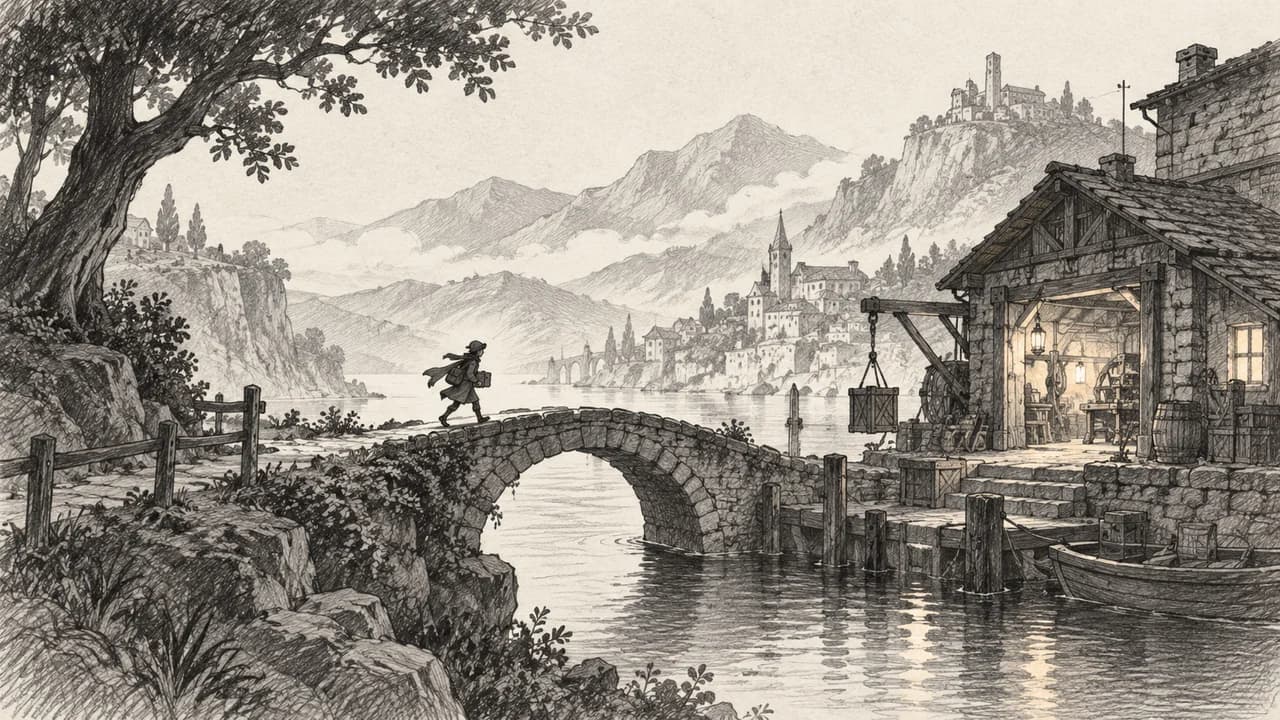
Hatching density, pencil pressure and erased highlights describe volume. A spatial scene still reads as marks on paper.
See the traits Hatching follows form Density separates values without a gray overlay Leave clean paper around key contours Reference games Mundaun · Neverending Nightmares
Art styles
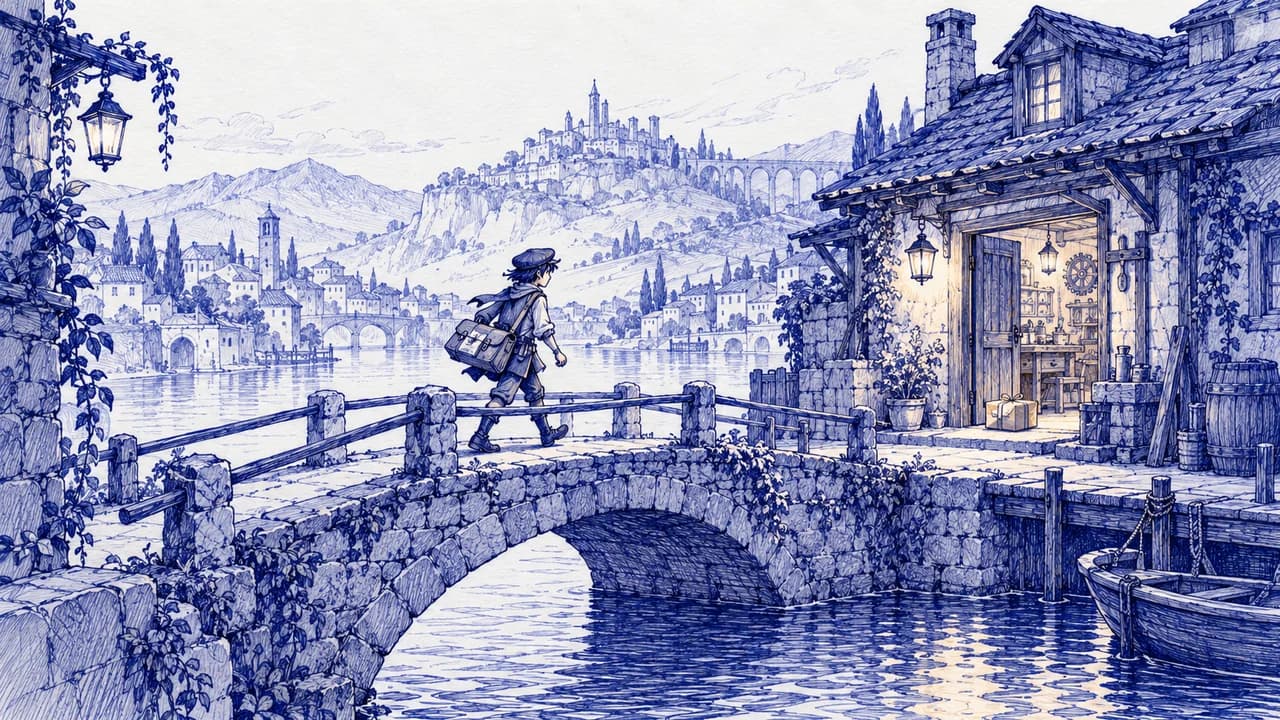
Fine single-color marks preserve repeated strokes and cross-lines on paper. Blue or black ink follows one consistent drawing system.
See the traits Keep a related line weight Model with cross-lines and spacing Separate focal contours from paper Reference games Inked: A Tale of Love · Ballpoint Universe - Infinite
Art styles
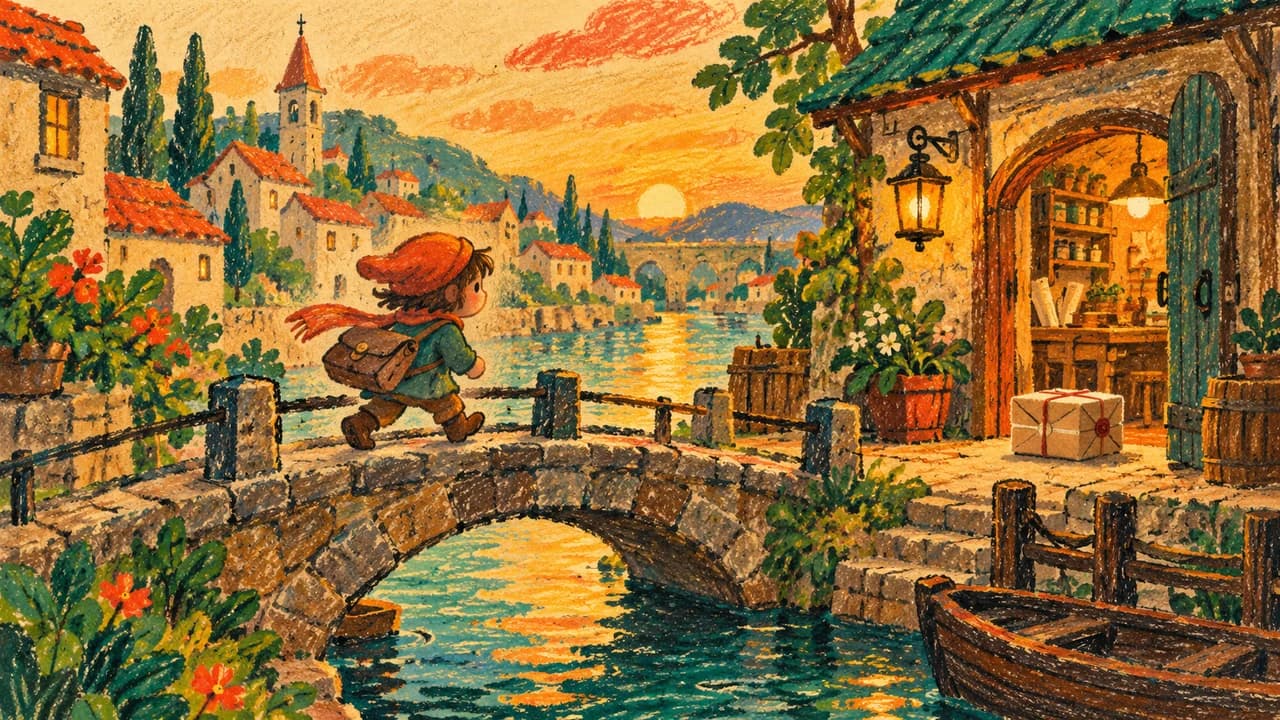
Color behaves like grainy crayon on paper, leaving gaps along edges and fills. Simple shapes still need clear feedback.
See the traits Scale marks with objects Keep stable paper gaps in fills Make interaction marks deliberate Reference games Crayon Physics Deluxe · Yoshi's New Island
Art styles
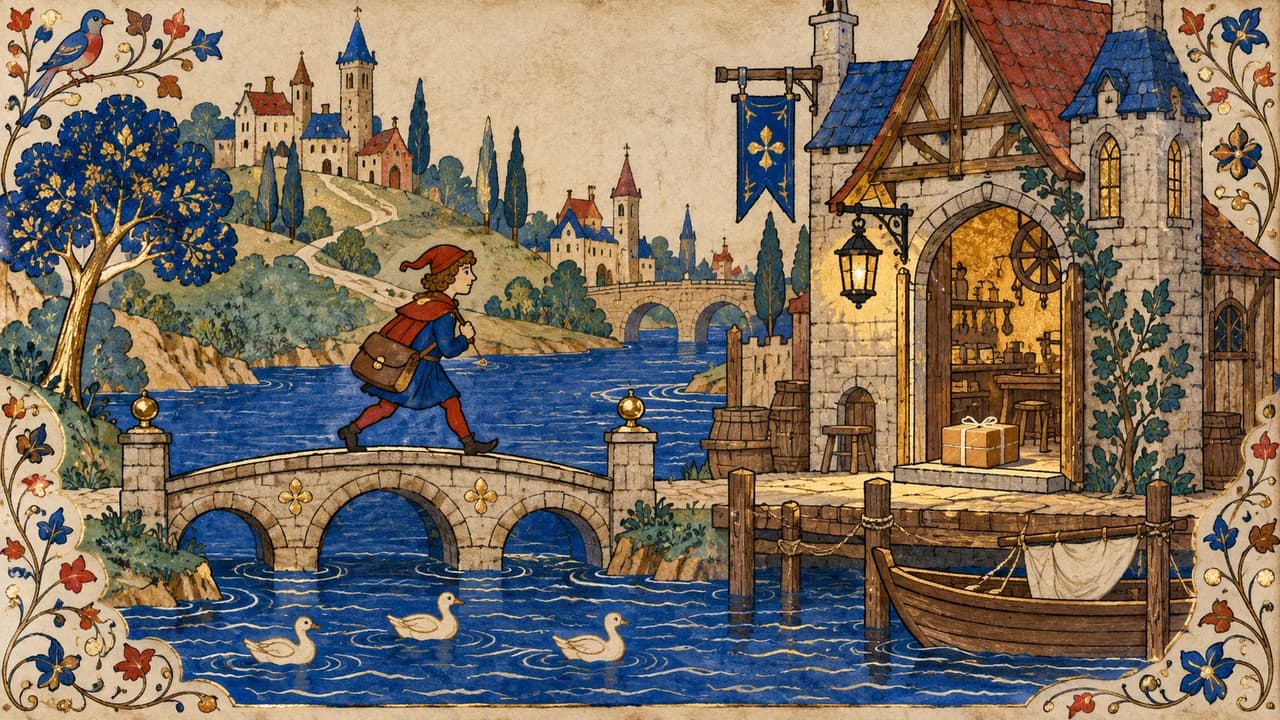
People, buildings, text and ornament belong to a shared page. Flat pictorial space and page structure work together.
See the traits Use contours and flat color fields Ornament leaves room for reading Keep functional text legible Reference games Pentiment · Inkulinati
Art styles
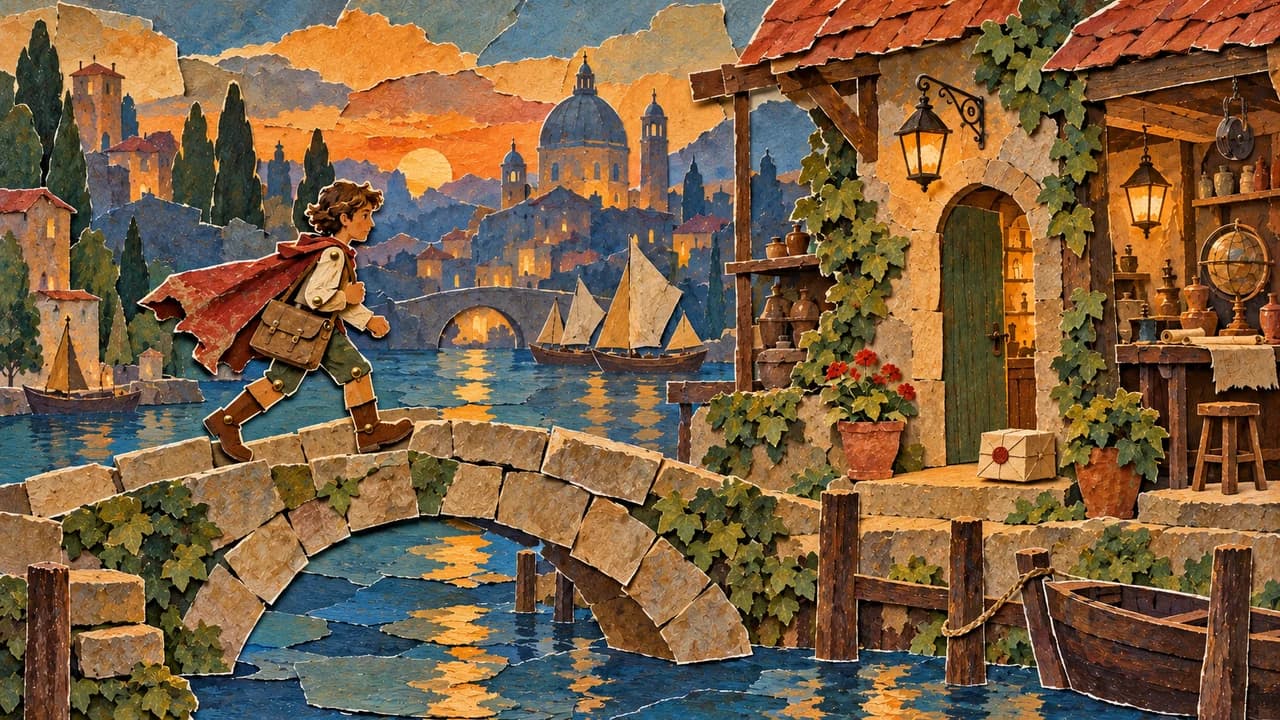
Painting fragments form new scenes through consistent scale, light and narrative relationships. Cutting and recombining are visible design choices.
See the traits Align figure and building scale Balance values across fragments Keep contacts and occlusion understandable Reference games Four Last Things · The Procession to Calvary
Art styles
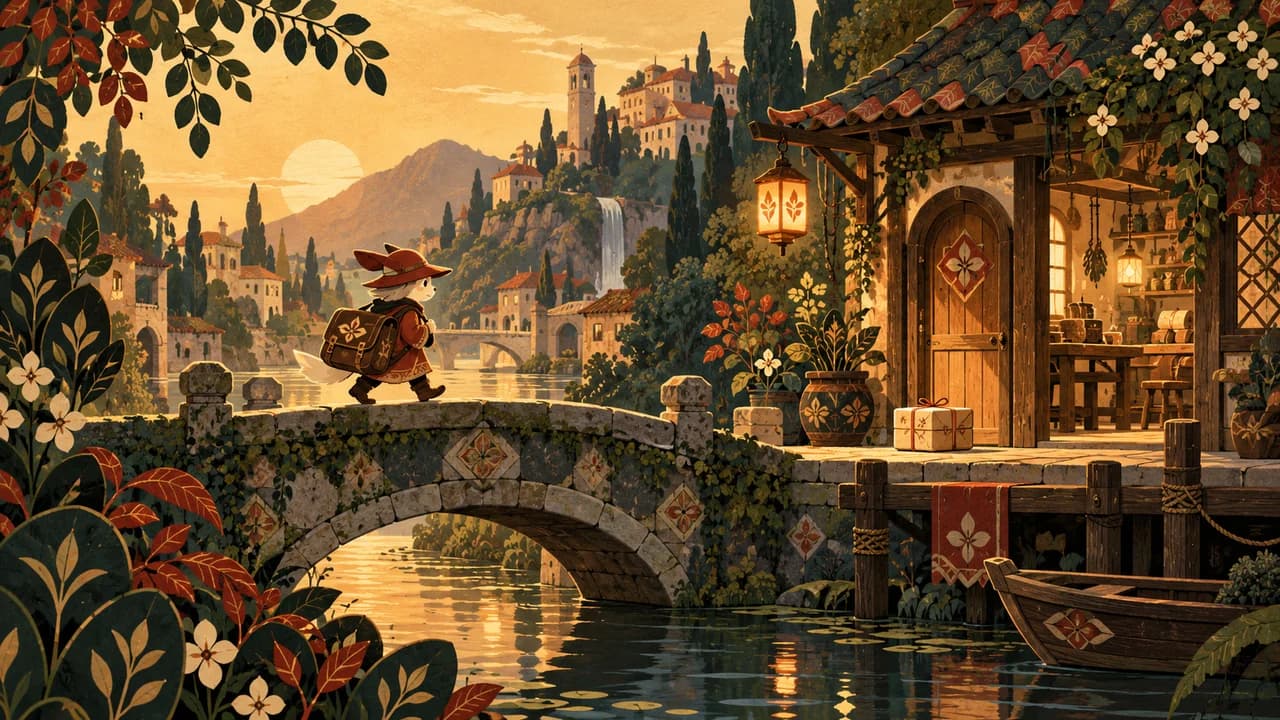
Plants, roofs and characters share decorative shapes and motifs. Ordered repetition creates richness while targets retain breathing room.
See the traits Share shape rhythms across plants and buildings Reserve patterns for secondary regions Highlight interactables with value and outline Reference games Wytchwood · The Wild at Heart
Art styles
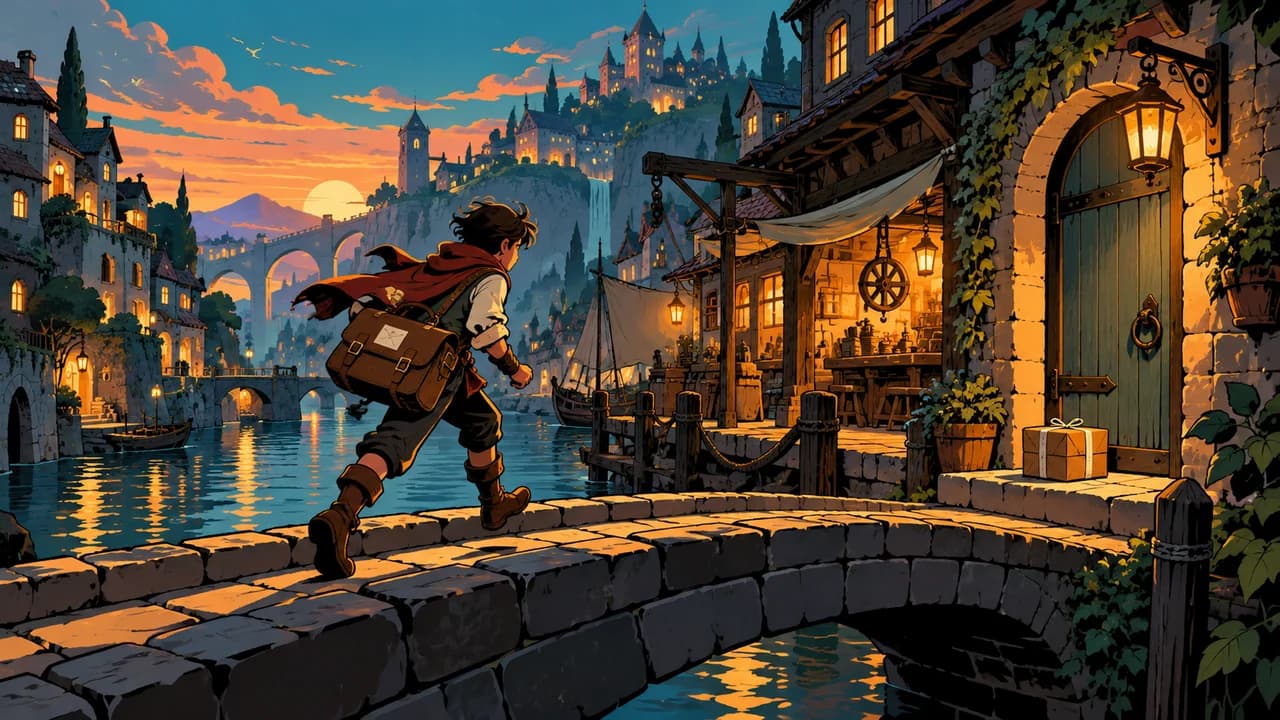
Strong contours, expressive poses and dramatic color masses shape characters. Comic identity can come from form and composition without halftone everywhere.
See the traits Prioritize major contours Design shadows as clear shapes Share angular language across actors, props and frames Reference games Hades · The Wolf Among Us
Art styles
Large dark shapes and assertive ink lines model forms. Selective light is reserved for faces, props and important feedback.
See the traits Design dark/light area ratios first Give contours a weight hierarchy Reserve bright accents for limited information Reference games Darkest Dungeon® · Don't Starve
Art styles
Consistent character shapes, continuous poses and restrained shadows create drawn-animation readability while scenery supports the action.
See the traits Preserve proportions and contour rules in motion Limit shadow bands Arrange background detail around actor focus Reference games Spiritfarer®: Farewell Edition · Battle Chef Brigade Deluxe
Art styles
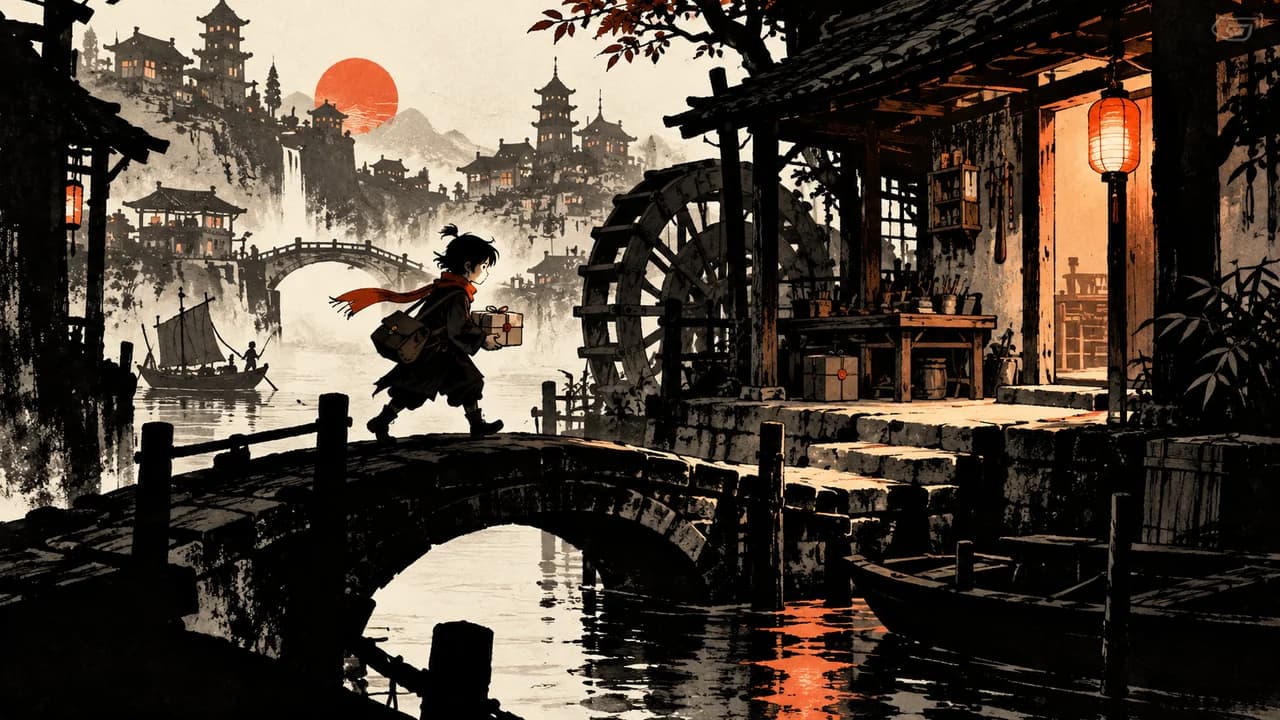
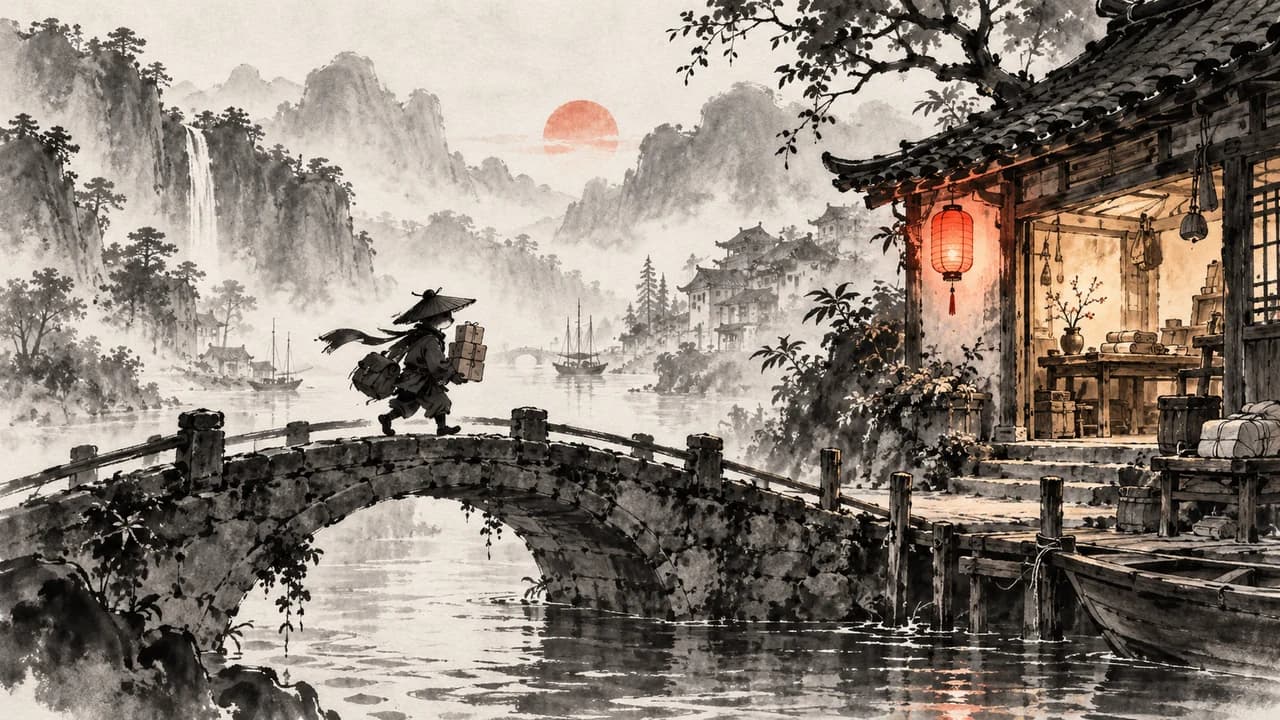
Brush energy, ink density and open space describe forms. Ink-wash treatment is not a label for every East Asian setting and can coexist with 3D space.
See the traits Give major contours brush direction Use ink density for depth Reserve open space for routes and targets Reference games Okami HD · Rain Blood Chronicles: Mirage
Art styles
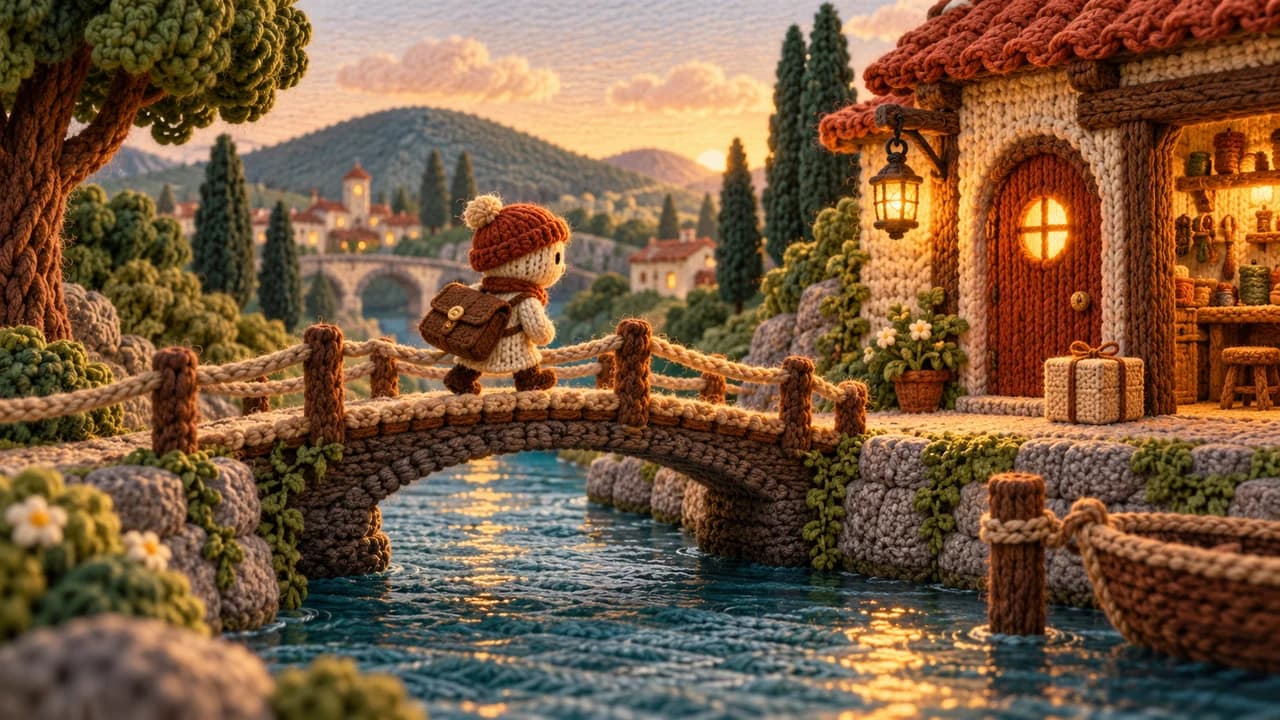
Threads, loops and fibers keep a coherent scale across characters and props. Yarn may construct a character or an entire miniature world.
See the traits Scale loops with objects Keep overall silhouettes clear Subordinate fibers to interaction clarity Reference games Unravel · Kirby's Extra Epic Yarn
Art styles
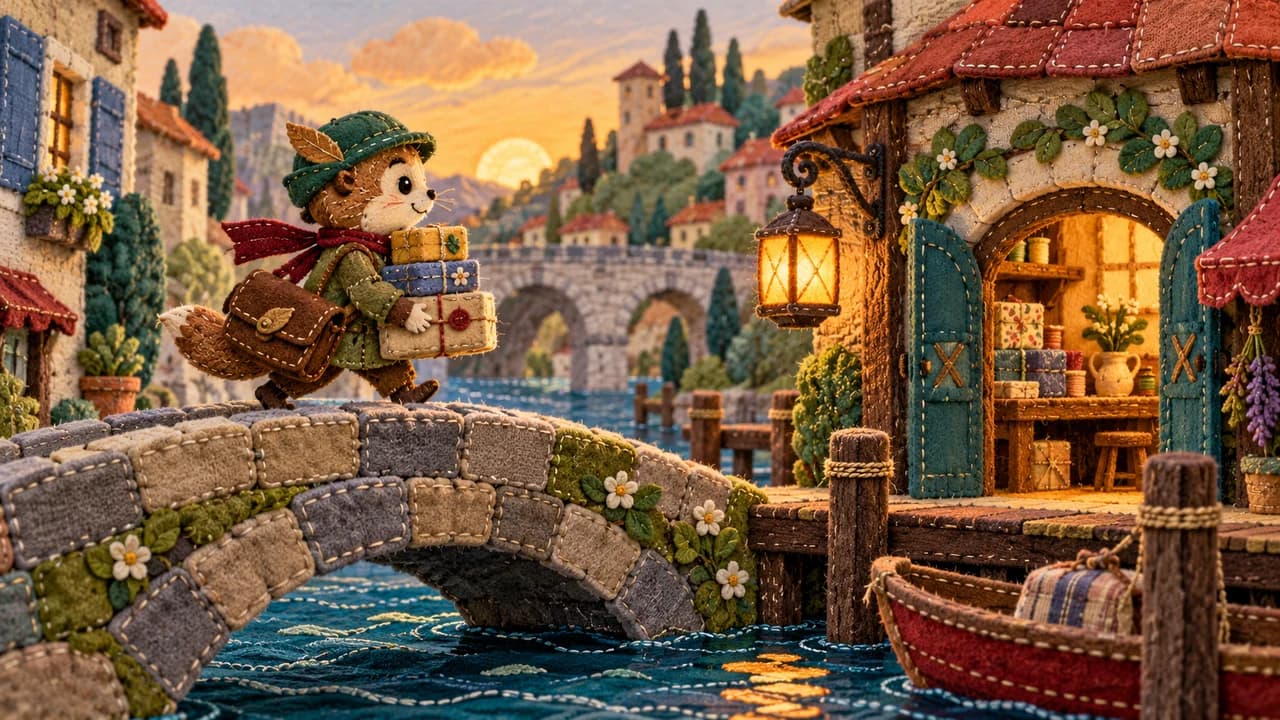
Seams, stuffed volumes and stable textile surfaces create a plush appearance. The focus is fabric panels rather than exposed strands.
See the traits Let seams support construction Keep textile scale consistent Give stuffed forms clear silhouettes Reference games Sackboy™: A Big Adventure · LittleBigPlanet 3
Art styles
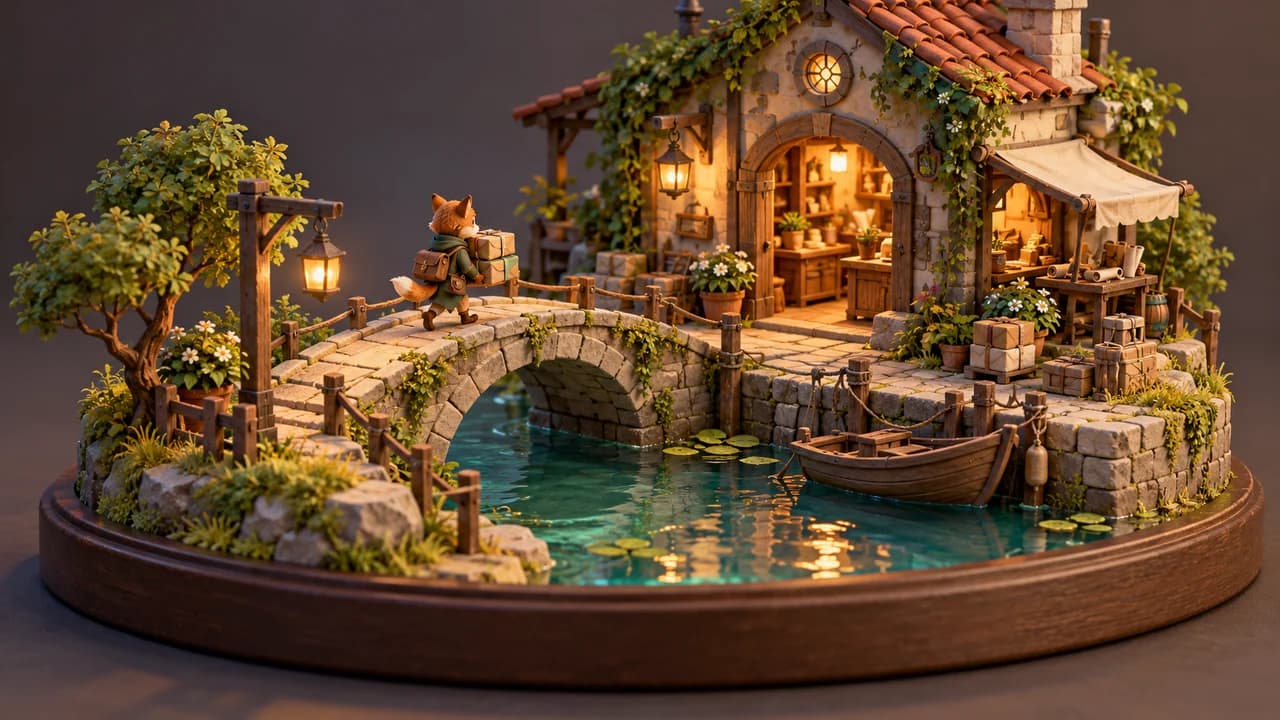
Model-like scale, concentrated composition and controlled focus make a world feel like a small scene you can handle. This presentation need not be physically filmed.
See the traits Establish scale with doors and props Prioritize silhouette and layers over tiny detail Keep the active play area in focus Reference games Tiny Glade · Townscaper
Art styles
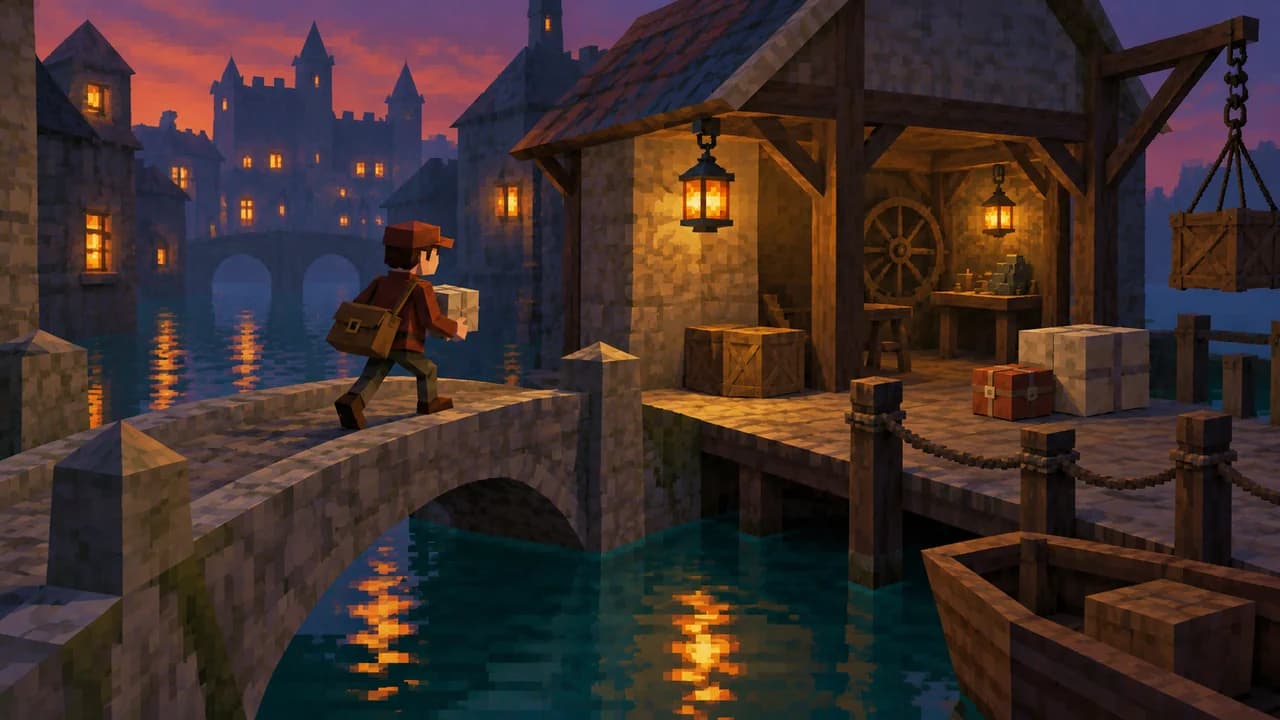
Low-resolution textures, simplified geometry and limited image precision shape retro 3D. Image sampling matters more here than in clean, flat low-poly art.
See the traits Keep texture pixel density consistent Separate actors and background values Keep noise and jitter off essential clues Reference games SIGNALIS · Crow Country
Art styles
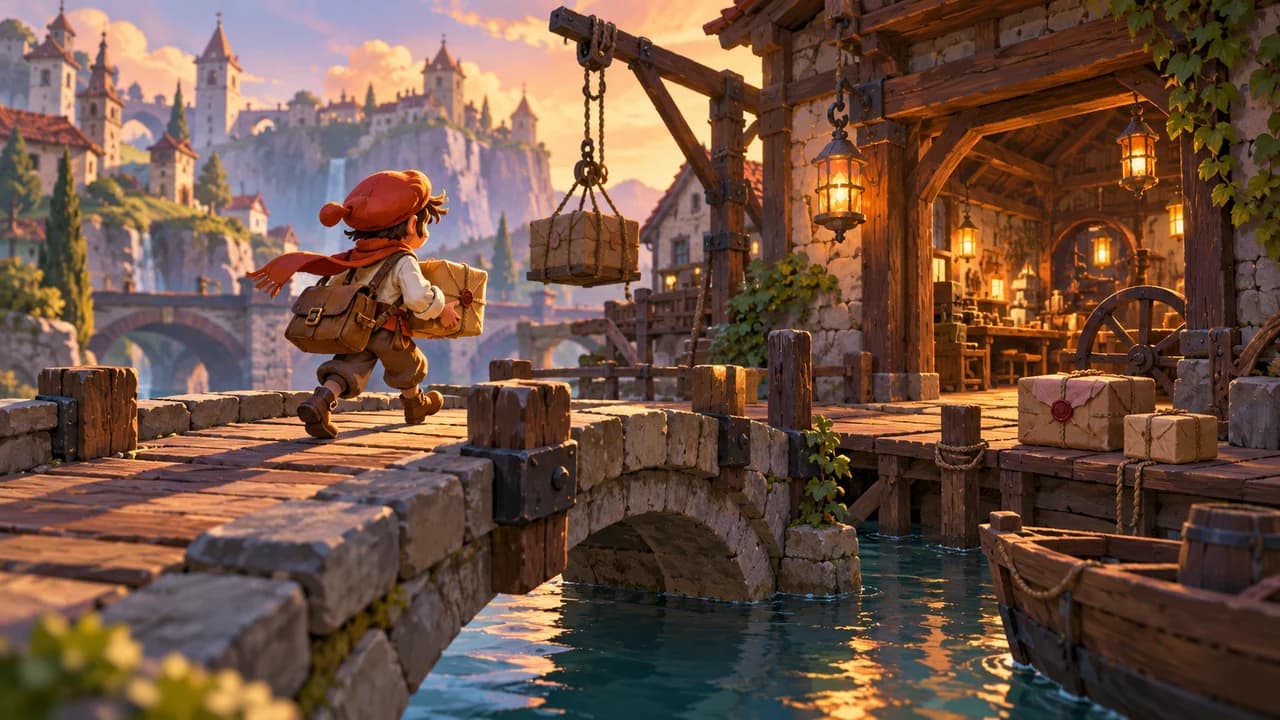
Designed color masses, brush marks and exaggerated forms sit on 3D volumes. Surface marks remain attached to objects as the camera moves.
See the traits Unify volume and silhouette proportions Align marks with surface form Keep lighting from erasing painted values Reference games Dishonored · Sea of Thieves: 2026 Edition
Art styles
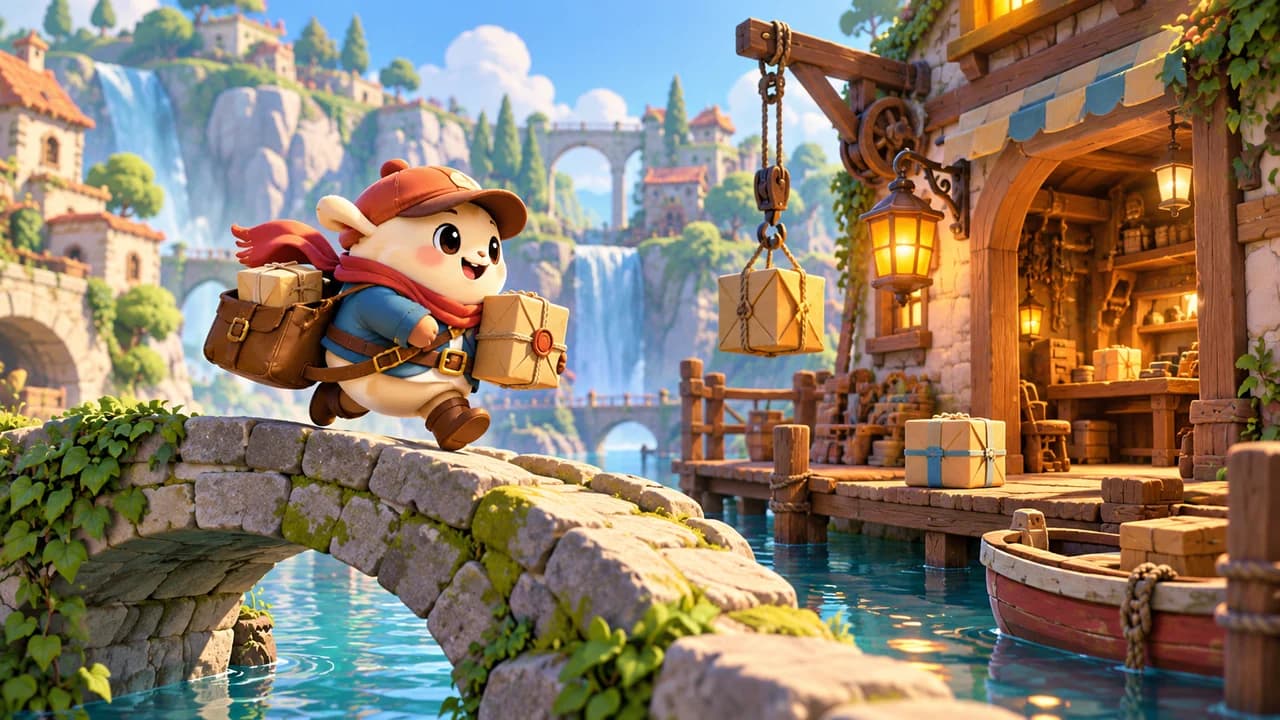
Rounded masses, clean materials and expressive motion create approachable 3D worlds. Rounded shapes need not make every object rubbery.
See the traits Make major shapes recognizable at distance Separate functions through color and material Keep contacts and landing points credible Reference games ASTRO BOT · Super Mario Odyssey
Art styles
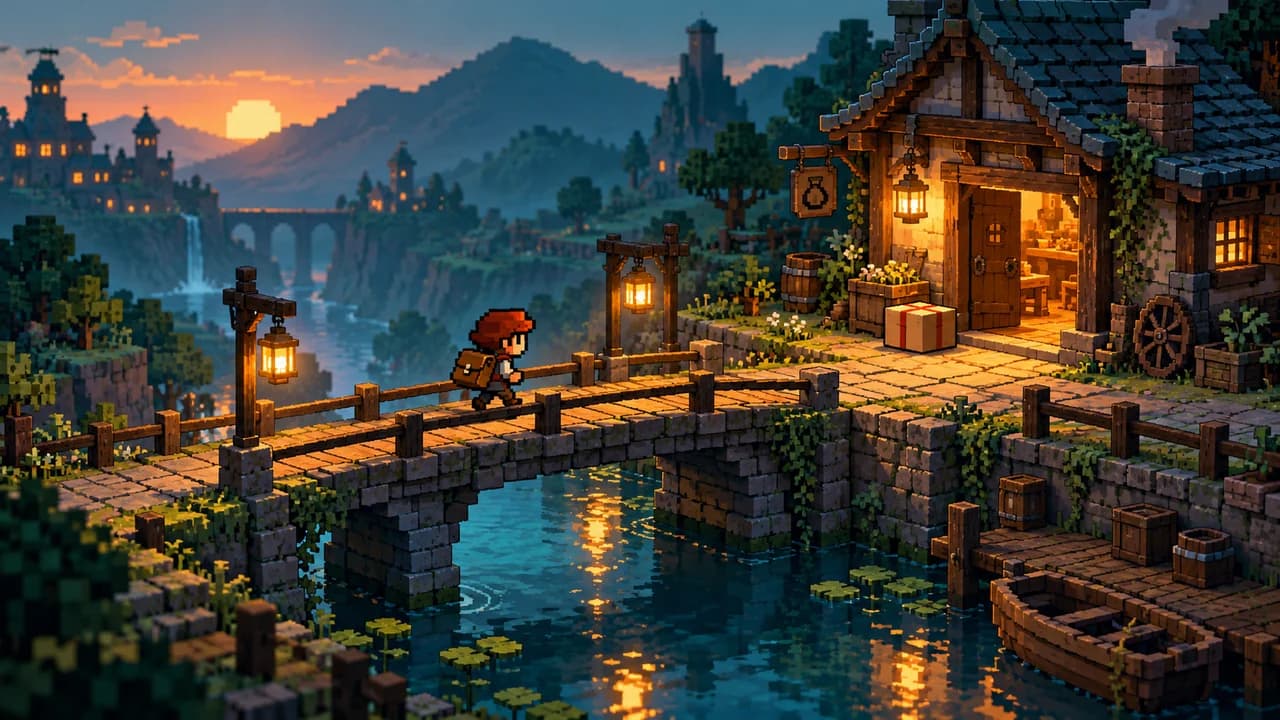
Pixel characters share space with dimensional sets, lighting and cameras. This hybrid needs consistent scale rather than blur applied to a flat background.
See the traits Unify pixel density and character scale Ground sprites with clear contacts Keep routes and goals ahead of focus effects Reference games OCTOPATH TRAVELER II · TRIANGLE STRATEGY
Art styles
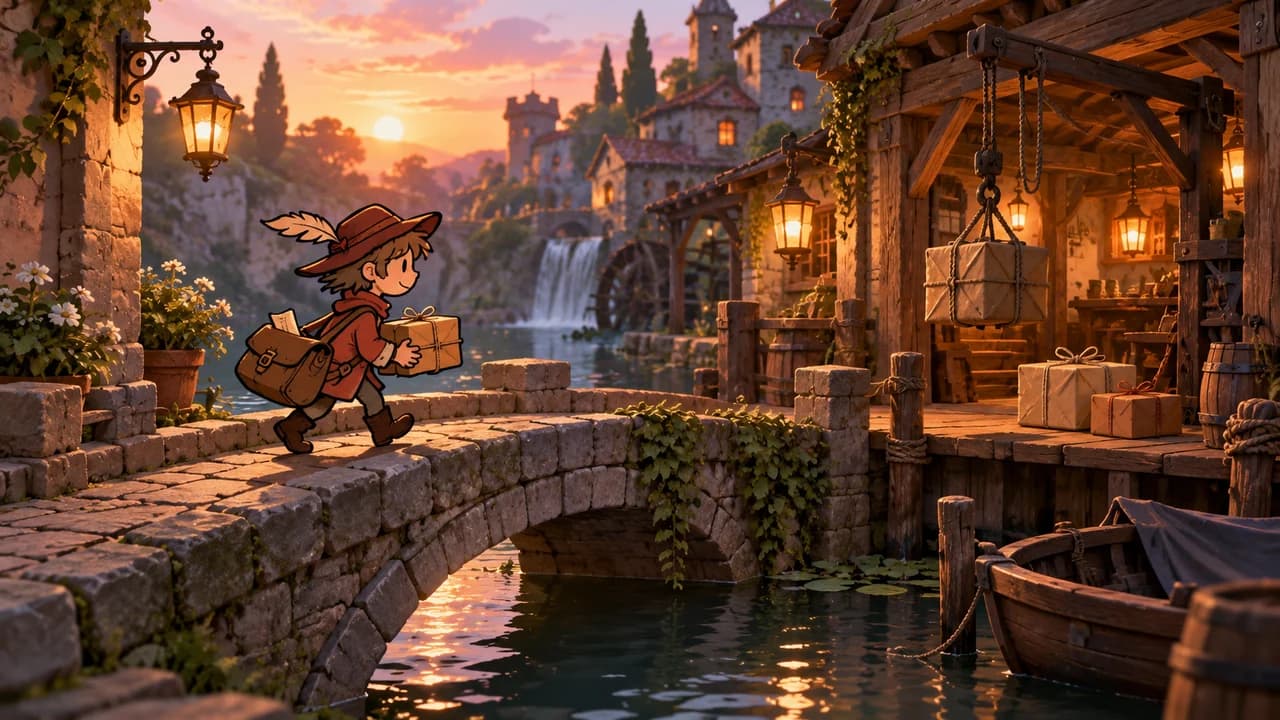
Paper-like or drawn sprites inhabit navigable 3D spaces, retaining graphic characters and spatial perspective. Contour and animation rules distinguish this from pixel hybrids.
See the traits Define sprite-facing rules Use shadows and foot contacts to explain space Keep 3D edges subordinate to drawn contours Reference games Demon Turf: Queens Edition · Bug Fables: The Everlasting Sapling
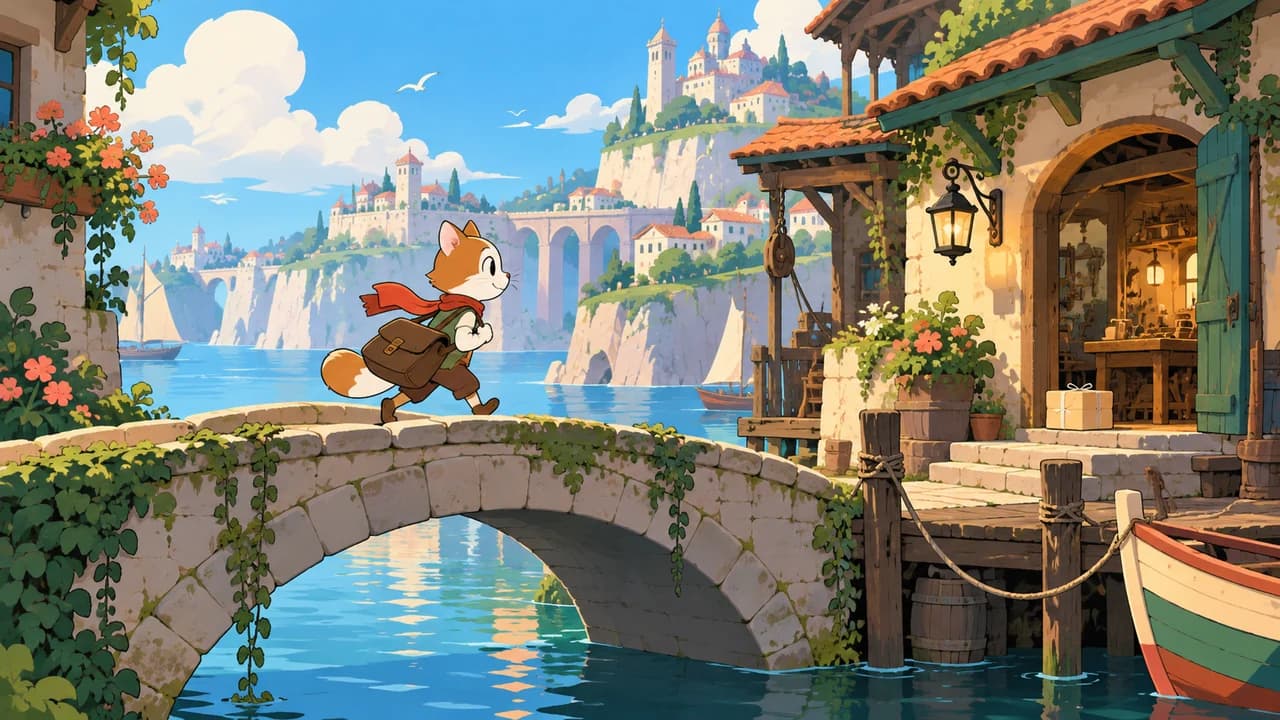
Covers are original AI-generated style illustrations. Game names reference publicly visible design choices and remain the property of their owners. This atlas does not supply screenshots or assets from those games. Prompts and combinations are original drafts for new games.