
Art stylesHand-drawnSoft
Papercraft
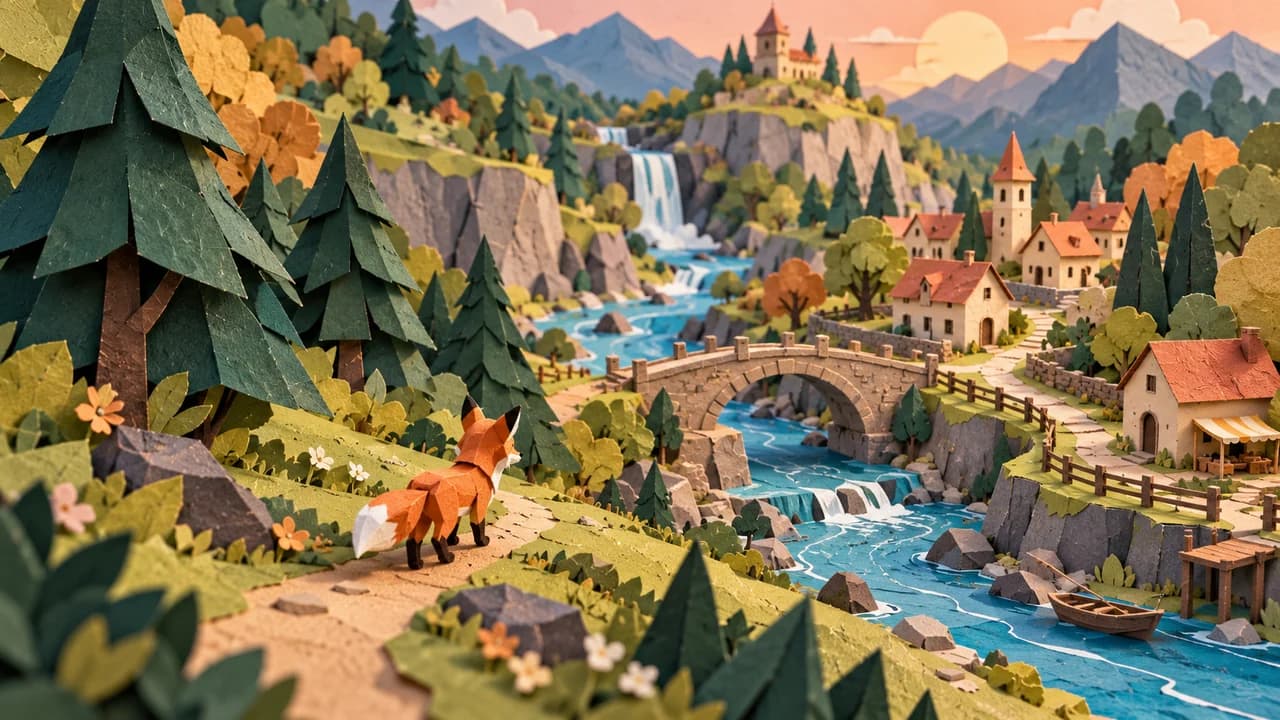
The world is paper cut into layers. Depth comes from the stack, a narrow edge, and one hard shadow. Color can stay pure.
Traits
- Characters and scenery are separate sheets, so motion shows who is in front
- Thickness is a narrow side, and the shadow is short and hard
- Creases and uneven paper are welcome, but the scene should not become a photo
- Tears and holes can be boundaries the player passes
Play that fits
It suits deduction puzzles and storybook platforming. Which sheet is in front can be the rule.
Reference games
Make a coherent game art set
Suggested asset specification
- Character: consistent edges and folds
- Scene: paper layers, shadows and fold structures
- UI: paper tabs and clear text
Motion and feedback
Folds need clear pivots and occlusion; paper grain must respect separate layers.
Main production effort
Layers, fold geometry and articulation drive cost; a paper texture is only part of it.
Start with this small scene
One paper character, a bridge and one opening door using two paper layers.
Simplify for a smaller budget
Fix the view and animate one fold while keeping other objects flat.
What to check
Are paper thickness, pivots and shadows consistent, and do hit areas follow opening pieces?
Related subdirections
These directions sit within their parent entry and do not increase the main style count.
Layered cut paper
Design paper edges, occlusion and unfolding together rather than adding paper texture alone.
Tengami ↗Folded-paper structures
Support creases with geometry and readable motion; validate one flat-to-folded object first.
Paper Mario: The Origami King ↗
Take the art specification
Includes localized visual rules, asset suggestions, scope and sources. This is a specification; assets still need production for your project.
Art specification v1 · Original editorial and examples · Reference-game assets not included
Prompt examples
Three-layer papercraft forest path, soft hard-edged shadows, torn edges, warm paper, a small animal cut from darker paper, a photo of a paper model, no text
Papercraft island, clouds and land as two sheets, creased edges, the sea as one blue sheet, no realistic texture
Common pitfall
A paper overlay cannot replace believable folds, layers and cast shadows.
Observations and sources
Cases refer to public documentation. Developers and community wikis are credited separately; document review is not a claim of hands-on testing.
- Tengami
Observe pop-up paper layers, page edges and unfolding relationships.
- Paper Mario: The Origami King
Observe folded characters and paper surfaces, distinguishing material from the 2D/3D stage arrangement.
Brief for the studio
Opens the AI studio with the brief below in the input. You can edit it. Nothing starts automatically.
Make a papercraft puzzle: drag three paper layers until their gaps align and the character can pass. Give each layer a narrow edge and a hard shadow. One exit, and a wrong move can be dragged back.
Related entries
Clay-like forms
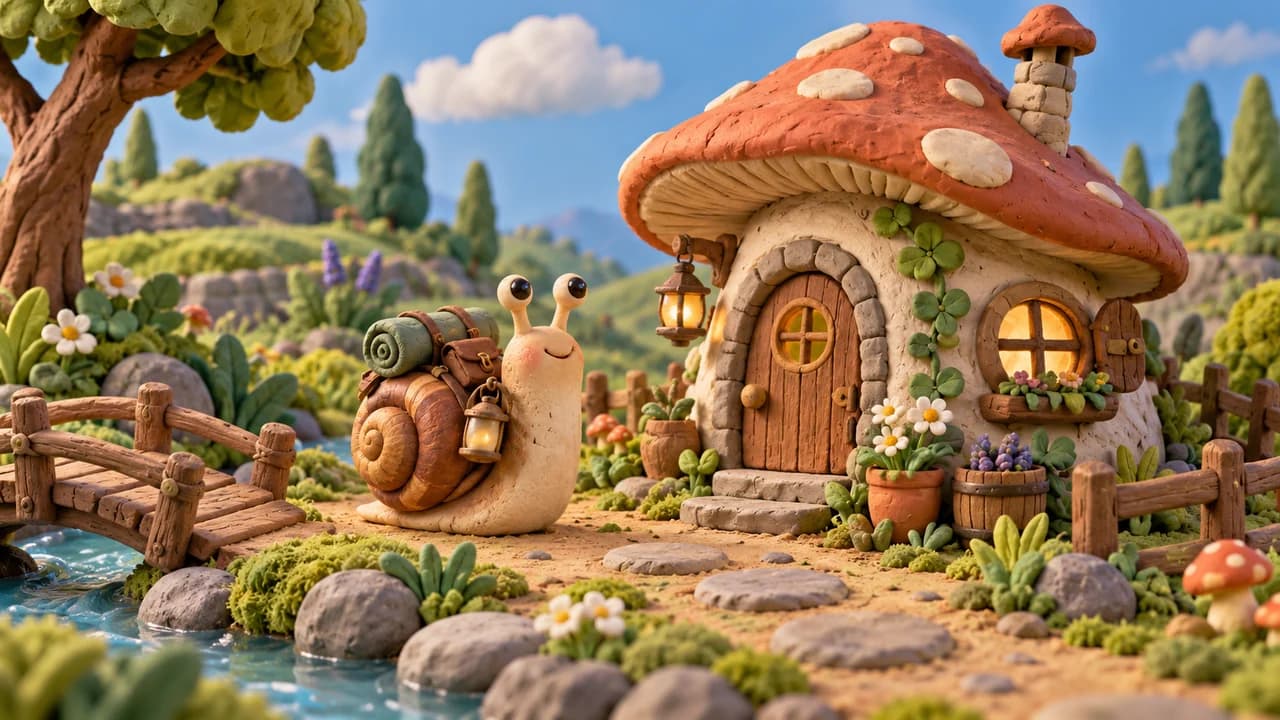
Rounded masses, tool marks and tangible surfaces suggest modeled clay. Physical stop-motion and digital 3D can both achieve the look through different production routes.
Physical miniature production
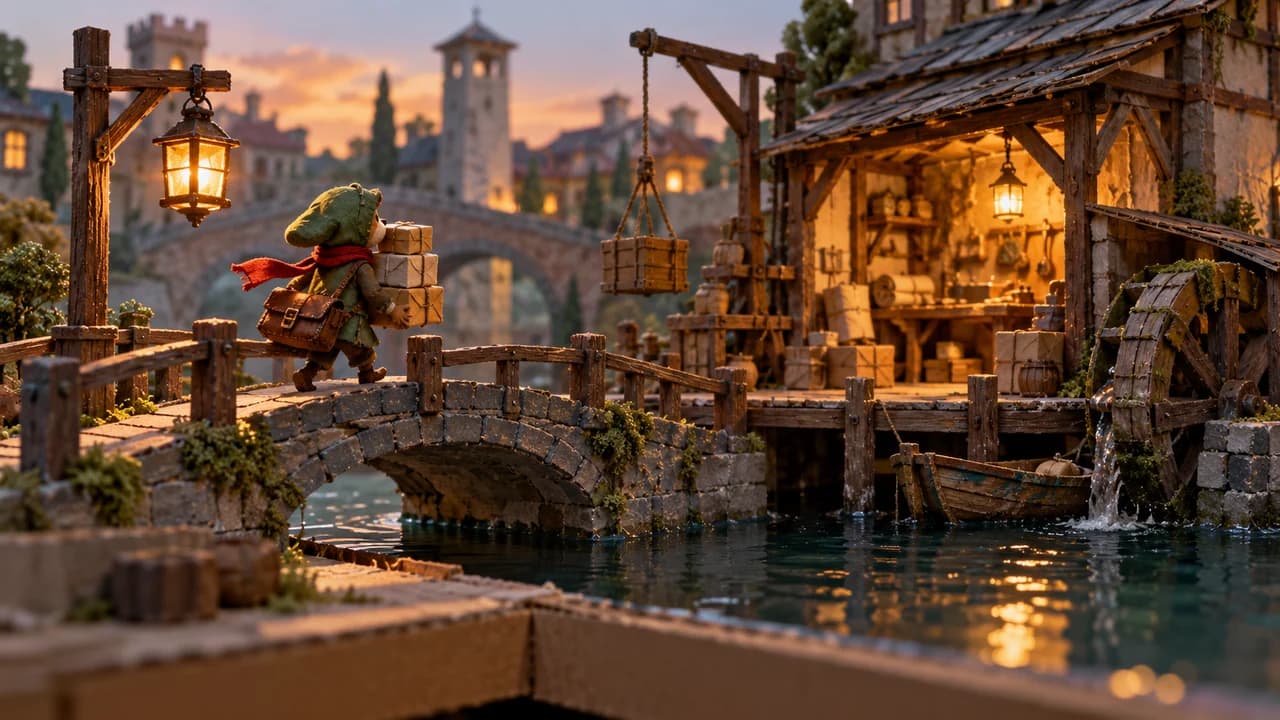
Physical sets or figures enter games through photography, scanning or digital integration. Unlike digital dioramas, physical fabrication is part of the workflow.
Plastic-brick construction
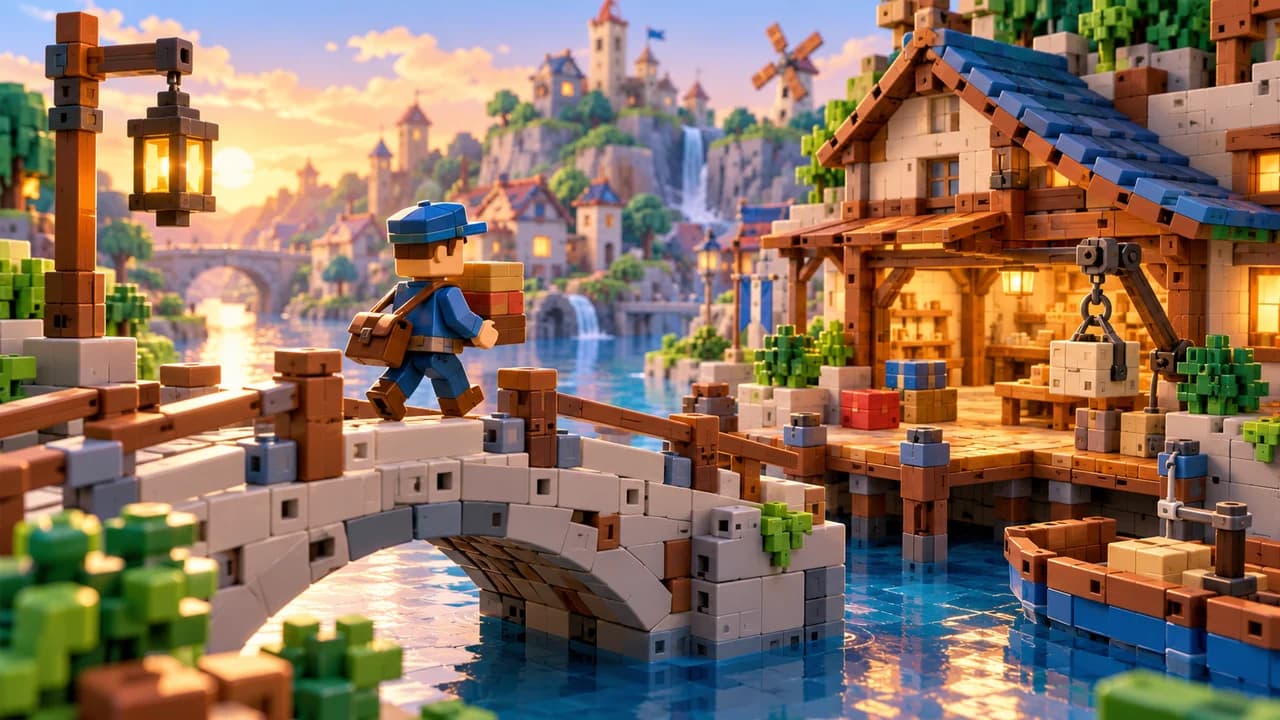
Discrete parts, connection rules and plastic surfaces form a construction world. An original project needs its own part and connector language.
Covers are original AI-generated style illustrations. Game names reference publicly visible design choices and remain the property of their owners. This atlas does not supply screenshots or assets from those games. Prompts and combinations are original drafts for new games.